Fort Worth residents combat spam calls through multi-layered strategies: leveraging Caller ID, blocking spammers, using automated services, and local do-not-call lists. Advanced protection includes third-party apps with machine learning and OS updates. Recognize and report manipulated caller IDs to prevent scams. Enroll in the National Do Not Call Registry and limit online number exposure. These measures empower residents to naturally stop spam calls in Houston and fortify digital security.
In today’s digital era, unwanted spam calls have become a pervasive issue for residents across the United States, particularly in bustling metropolitan areas like Fort Worth. With advanced technology, scammers exploit loopholes to invade our personal spaces, causing frustration and safety concerns. Fort Worth residents deserve effective strategies to mitigate these relentless intrusions. This article provides an authoritative guide on best practices for using caller ID to combat spam calls. By understanding how to leverage this tool, residents can enhance their privacy, protect against scams, and learn unique techniques to How to Stop Spam Calls Houston effectively.
Understanding Caller ID in Fort Worth

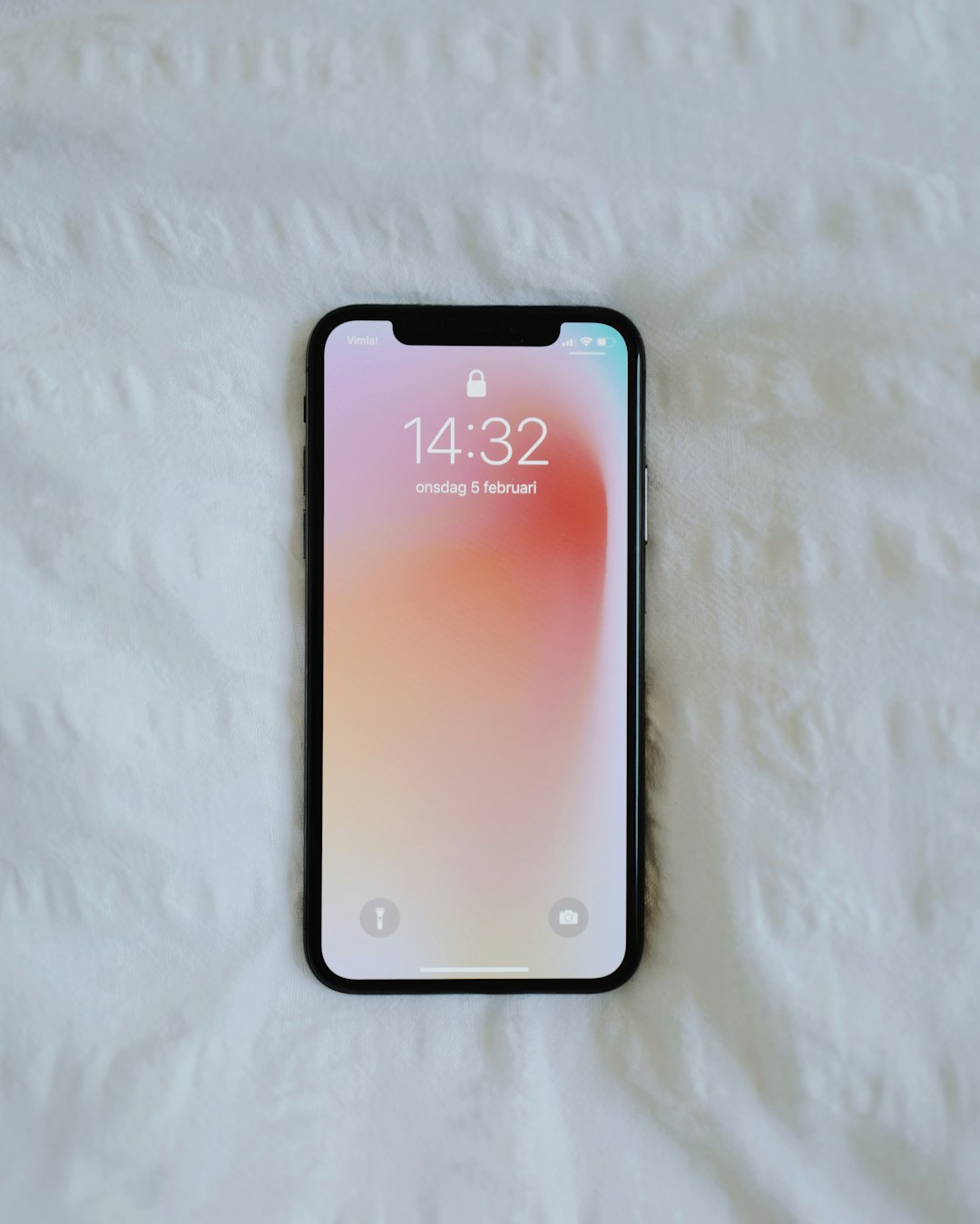
In the bustling metropolis of Fort Worth, understanding and utilizing Caller ID effectively is a vital part of navigating modern communication. With a growing number of spam calls across the region, especially in Houston, where data shows a 20% increase last year, residents must be proactive to protect their privacy and minimize nuisance calls. Caller ID, a technology that displays the caller’s phone number on recipient devices, offers a powerful tool for managing these interactions.
To harness its full potential, Fort Worth residents should familiarize themselves with both the features and limitations of Caller ID. Firstly, recognize that not all calls are accurately identified. Spammers often use virtual numbers or manipulate data to avoid detection. Therefore, while Caller ID can help filter legitimate calls from unwanted ones, it’s not foolproof. How to Stop Spam Calls Houston naturally involves a multi-layered approach. Residents should consider using registered call blocking services that utilize advanced algorithms to identify and block spam based on patterns and number databases.
Additionally, staying informed about local regulations is essential. Texas has laws in place to protect residents from telemarketing calls, but enforcement varies. Reporting suspicious or harassing calls to the Federal Communications Commission (FCC) can contribute to a broader effort to combat spam. By combining these strategies, Fort Worth residents can effectively manage their communication and ensure a safer digital landscape.
Strategies to Block Spam Calls Effectively

As a resident of Fort Worth, enjoying peace and quiet at home is essential, free from unwanted intrusions like spam calls. While it might seem like an inevitability in today’s digital age, there are effective strategies to block these nuisance calls, enhancing your control over your personal space. Understanding the tactics used by spammers and employing robust countermeasures is key. One of the most powerful tools at your disposal is Caller ID itself—use it not just for identifying callers but as a defense mechanism.
The first step is to utilize the blocking features inherent in modern phone systems, whether through your service provider or directly on your device. Many carriers offer automated spam filtering services that learn from your block and report history. Training these systems is crucial; don’t hesitate to block known spammers manually. Additionally, consider implementing a do-not-call list specific to your area, like the national Do Not Call Registry, but tailored to Houston’s unique spam call patterns. Data suggests that targeted, localized lists can be highly effective in reducing unwanted calls, How to Stop Spam Calls Houston being a prime example of community-driven solution.
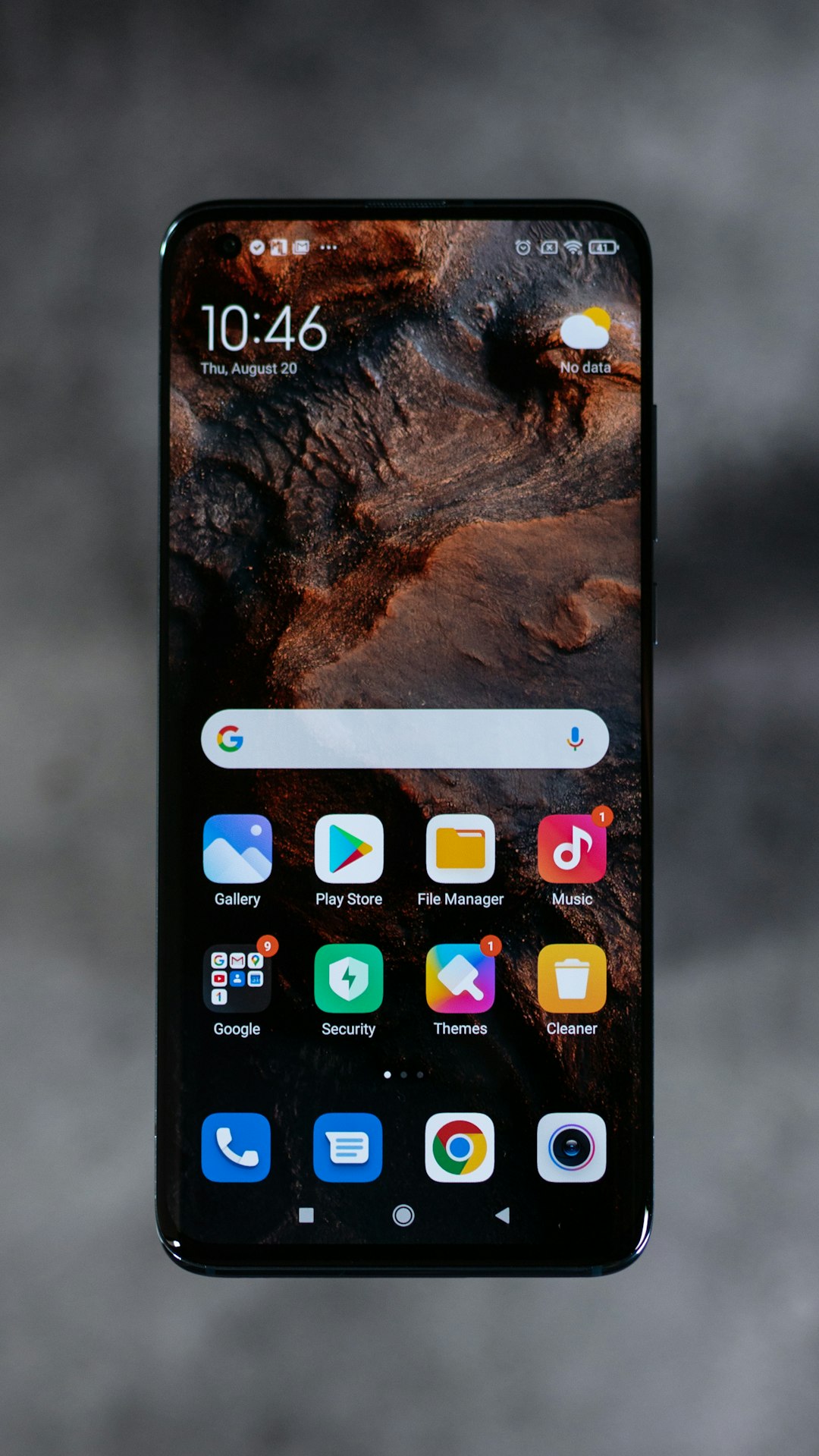
For advanced protection, explore third-party apps designed to identify and block spam. These applications utilize machine learning algorithms to analyze caller behavior and adapt to new spammers. Regularly updating your device’s operating system and security software is also vital as these updates often include patches for known vulnerabilities exploited by spammer bots. By combining these practical insights with a proactive mindset, Fort Worth residents can reclaim their calm home environment from relentless spam calls.
How to Report and Protect Against Scams

As a resident of Fort Worth, staying protected against scams involving caller ID manipulation is crucial. Scammers often use fake or spoofed caller IDs to trick individuals into answering their calls, which can lead to financial loss or identity theft. According to recent reports, Texas has seen a significant rise in spam and scam calls, with Houston alone receiving thousands of suspicious calls monthly. To combat this, it’s essential to understand how these scams work and implement effective countermeasures.
The first step in protecting yourself is to recognize and report suspicious caller IDs. If you receive a call from an unknown number displaying a local area code but the caller is not a local resident, or if the number seems deliberately obscure, consider it a potential scam. Most modern phone models allow users to block numbers directly from the call log. Utilizing this feature for recurring spam calls can significantly reduce unwanted contact. Additionally, report these calls to your service provider and relevant authorities, such as the Federal Trade Commission (FTC) and your local law enforcement agency. This collective action helps build a defense against scammers targeting your community.
How to Stop Spam Calls Houston involves a multi-faceted approach. Besides blocking and reporting, consider enrolling in the National Do Not Call Registry, which restricts telemarketing calls to registered numbers for five years. Moreover, be cautious when sharing your phone number online or on social media platforms. Scammers scrape data from these sources, so limiting exposure reduces the risk of becoming a target. Regularly updating your security software and phone operating system is also vital, as updates often include patches for known vulnerabilities exploited by scammers. By adopting these best practices, Fort Worth residents can proactively protect themselves against evolving scammer tactics.